Month: June 2025

The apprehension and two-week detention of Caroline Dias Goncalves was a waste of federal resources and a violation of human decency.

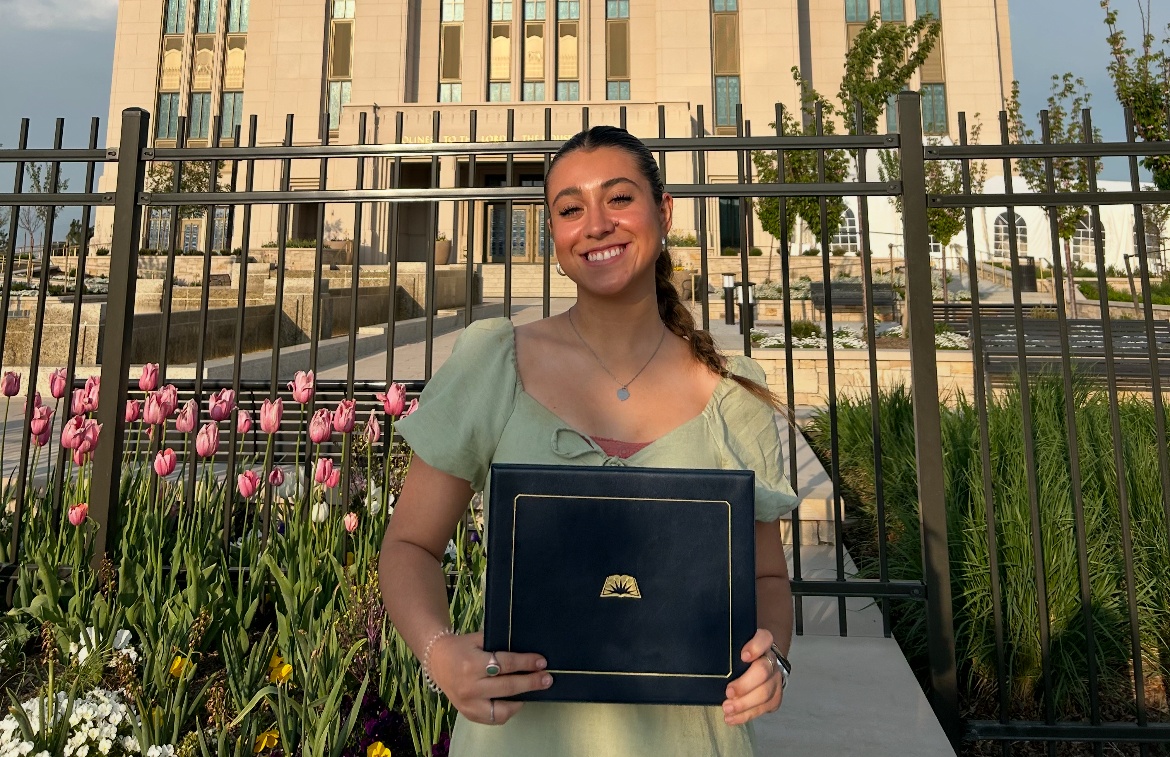
Goncalves, a nursing student from the University of Utah, has not been charged with any crime, and because the activities of Trump’s immigration force are shrouded in secrecy, it is unclear whether she has any sort of immigration action pending either.

We do, however, have video of her initial contact with law enforcement because police officers in Colorado are required to wear and use body cameras.

The teen was pulled over on Interstate 70 as she drove through Grand Junction on her way to Denver. The Mesa County Sheriff’s deputy asked her to come sit in his car with him while he looked up her registration and insurance information, both of which were outdated. But before he let her go back to her car, he asked about her accent and where she was from. We hear absolutely zero accent on the video. “Born and raised or no?” he asked after she replied Utah. She explains she was born in Brazil.

The deputy let her off with a warning but then texted all of her information to federal agents on an encrypted Signal chat. Officials picked her up a short time later and brought her to Aurora, where she was held without due process for two weeks until a judge let her out on bail.

“And the moment they realized I spoke English, I saw a change,” Goncalves said in a statement issued. “Suddenly, I was treated better than others who didn’t speak English. That broke my heart. Because no one deserves to be treated like that. Not in a country that I’ve called home since I was 7 years old and is all I’ve ever known.”

In President Donald Trump’s America an undetectable accent and brown skin is enough to get an out-of-state teenager detained in one city, extradited across state without any hearing or due process, held for two weeks in a detention center full of criminals awaiting deportation, fed mushy food, and then let go without any public explanation or transparency.

We don’t know Gonclaves’ exact immigration status. According to The Denver Post and the Salt Lake City Tribune, she came as a child with her family on a tourist visa. That would mean she entered the United States sometime around 2013. Given that approximate date, she would not qualify for Deferred Action for Childhood Arrivals, but her parents had filed for asylum, which almost always carries dependent children, too.

One thing is clear: Trump has ordered Immigration and Customs Enforcement officials to focus their time and efforts not on criminals who should be deported, but on people like Gonclaves, who are contributing members of our society that make America stronger. He’s come up with arbitrary quotas that we are certain drive this overly aggressive targeting of good people.

The Washington Post reported concerning data this week – since Trump’s inauguration, the percentage of detained individuals who are convicted or accused criminals has dropped. That means the Trump administration is amping up its efforts to deport people like Gonclaves, who are going to school or working hard.

Since Trump took the White House, an incredible 23% of those detained are noncriminals. In comparison between 2019 and January 2025, the average was 7%. That is made more concerning because the percentage increase occurred even as the total number of detainments increased. More good people than ever are getting snatched by ICE, often with no due process for several weeks – long enough for someone to lose a job, fail a class or miss an important life event like a family member’s wedding or the birth of a child.

The Washington Post’s columnist Philip Bump extrapolated that the detention of noncriminals had jumped 900% under Trump. These detentions and pending deportations are not making anyone safer. Indeed, we are less safe when Americans of color or who have accents are afraid of everyday interactions with police.

The deputy in Mesa County had no business asking Gonclaves about her nationality and likely violated a state law by forwarding the information to federal officials.

Colorado law enforcement should stay the course and not assist this administration’s cruel and ineffective pursuit of noncriminals for deportation.

Sign up for Sound Off to get a weekly roundup of our columns, editorials and more.

To send a letter to the editor about this article, submit online or check out our guidelines for how to submit by email or mail.
We are thrilled by rumors that the Broncos’ new owners are acquiring land to keep the football team in the heart of Denver, right where it belongs.

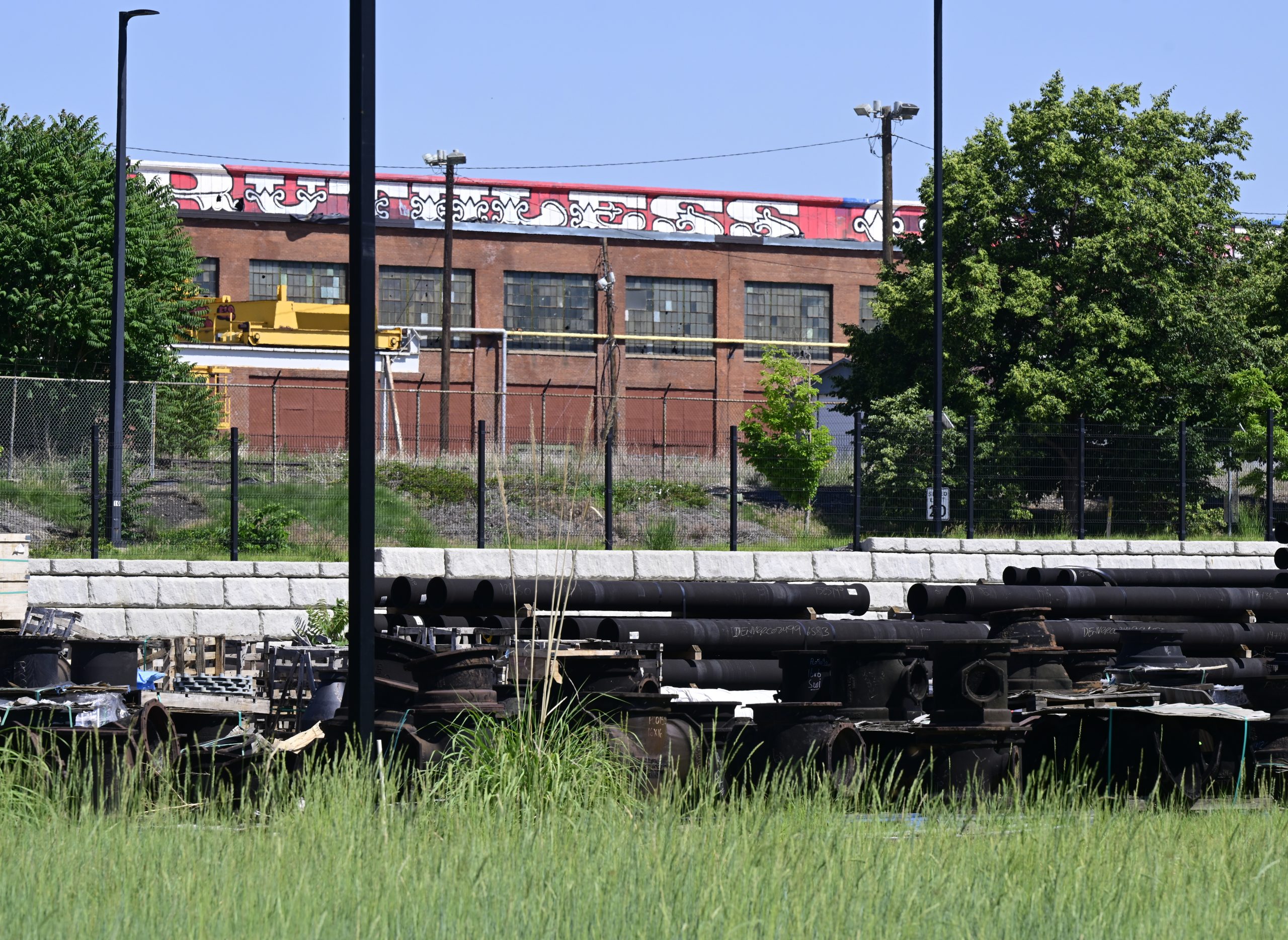
A brand new, privately financed stadium on currently contaminated and abandoned land, Burnham Yard, is a vision we can get behind. The 58-acre rail yard is now owned by the Colorado Department of Transportation.

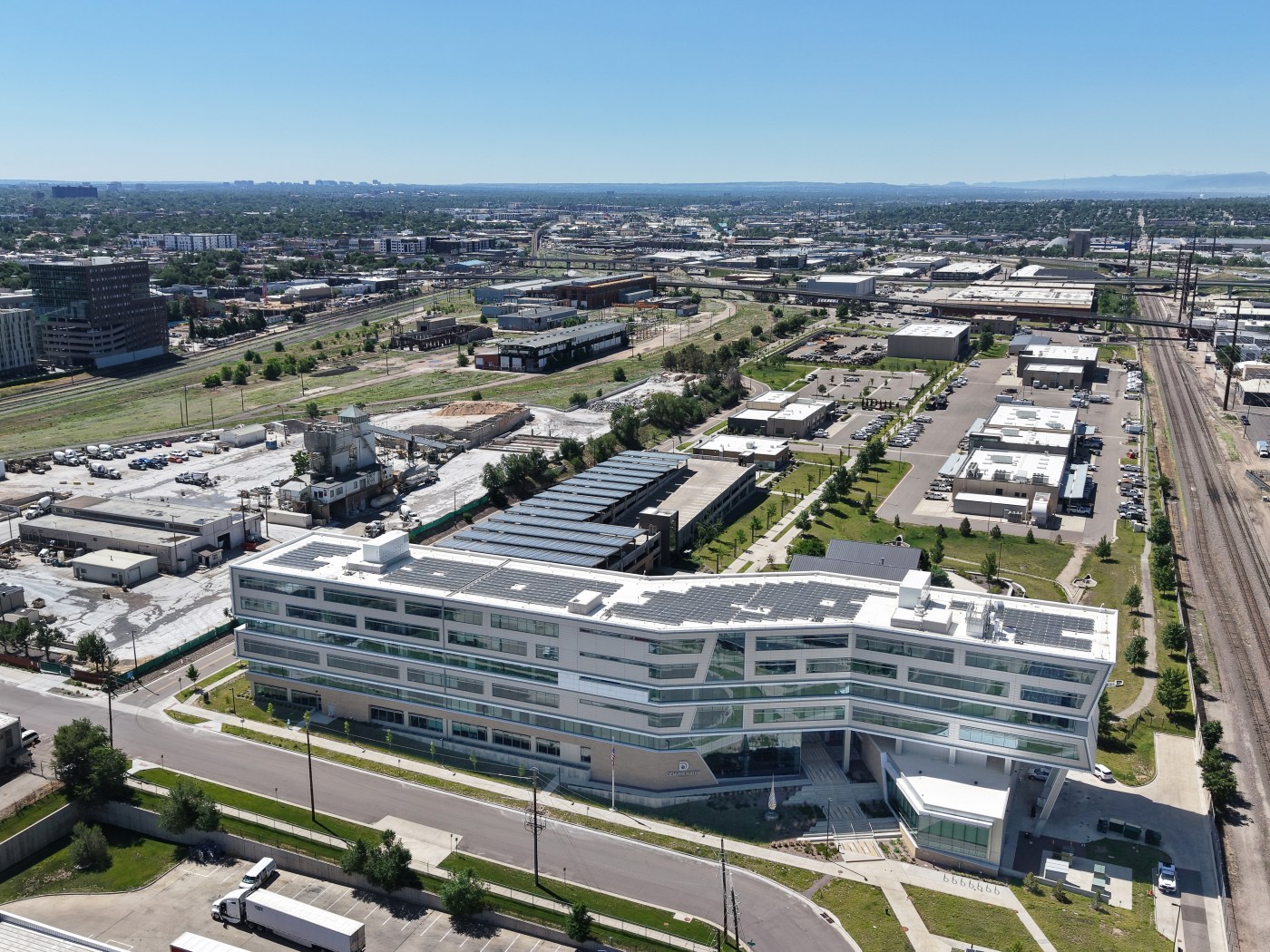
The Denver Post reported last week – following some brilliant reporting from BusinessDen – that part of the deal the Walton-Penner group is looking to make in addition to acquiring the state’s land would include buying a portion of Denver Water’s 36-acre campus where the headquarters and operations center are located.

We’re not opposed to the Walton-Penner Family Ownership Group buying some land from Denver Water to help the group spend billions building a stadium and a privately owned entertainment district. But it only seems logical that Denver Water would need to be compensated for the trouble of moving from this historic 150-year-old campus that recently underwent an entire rebuild to become a world-class facility.

“We recognize the impact this development could have to the largest community we serve,” Denver Water CEO and manager Alan Salazar said in an interview requested following The Post’s report. “Creative minds can think about ways that this could work. We’re trying to get there.”

Salazar said some things are not negotiable: The deal cannot devalue Denver Water and must protect the financial security of the enterprise. The deal can’t cause any upward pressure on water rates, and Salazar simply pointed out that the charter of the voter-created utility prevents money from being spent on anything that isn’t a waterworks project.

We say that Denver Water can in no way be asked to help subsidize this private development. Any private company would hold out for a substantial payout before ripping up its roots to relocate, and a good CEO would always be ready to walk away from negotiations if it wasn’t in their best interests.

That doesn’t mean the deal is dead, but it certainly complicates negotiations.

It’s unclear whether the Broncos need the land or whether they could build the stadium on the old rail yard and make a smaller entertainment district and still make the kind of return on investment they are aiming for.

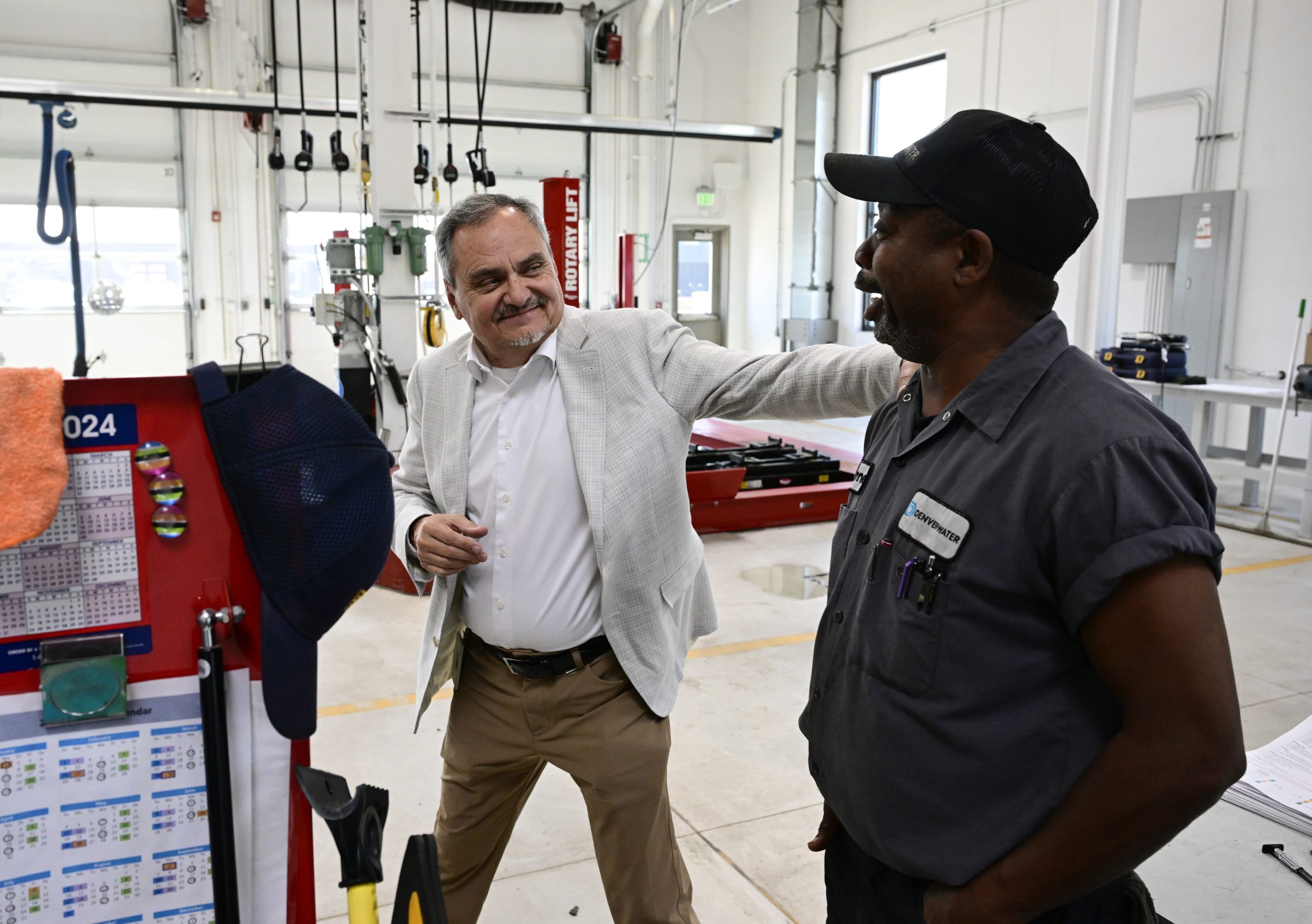
Today, the Denver Water campus includes a brand-new headquarters on the far north side of the campus where white-collar employees, including engineers, human resources, and communications employees, work. We can’t imagine the Broncos would want that building.

But most of the land — and likely the land we imagine could be sold — is occupied by a number of high-tech service buildings, warehouses, and parking lots designed with efficiency and productivity in mind. Those buildings are only a few years old, and touring the campus makes it clear that Denver Water spared no expense to make this property its home forever. A brick pathway through the campus is marked with the names of every retiree from the company, with their dates of service.

This is the campus where hundreds of Denver Water employees start their day before dispersing out to a service area that stretches from Denver International Airport to Ken Caryl. Workers help supply clean drinking water from mountain reservoirs to some of the state’s largest municipalities, and the machine shop services everything from snowmobiles to dump trucks.

Moving those operations is not something that should be taken lightly.

As we’ve said before, we are not opposed to the Walton-Penner group getting some level of subsidy from the state of Colorado and the city of Denver, but that deal must be entirely transparent and account for every dollar given to these heirs of the Walmart fortune, Rob Walton and his son-in-law Greg Penner.

Before any deal is inked behind closed doors, the public needs to be told the modern-day market value of Burnham Yard and the value of Denver Water’s property with a true appraisal conducted by an independent firm.

And while it makes sense for the city of Denver and the state to incentivize the business prospects of the football stadium, we cannot see any possible justification for Denver Water to share in that burden.

Denver Water, much like the Broncos, is a storied institution.

We now know, thanks to Penner’s decision not to renew the lease at the existing Mile High Stadium (Empower Field), that the half-life of a new stadium is only about 4.5 years. In sharp contrast, Denver Water will be providing life-sustaining water to much of metro Denver for almost a million people into the foreseeable future, perhaps for as long as there are people on the Front Range.

Sign up for Sound Off to get a weekly roundup of our columns, editorials and more.

To send a letter to the editor about this article, submit online or check out our guidelines for how to submit by email or mail.
Hating on downtown Denver has become a sport for some, including recent college grads finding Denver’s cost of living to be unsustainable, anyone who has recently navigated Colfax’s construction cones, and yes, our Republican members of Congress who use the city as a political pawn in the debate over Venezuelan refugees.

But Denver is a big, beautiful city with blemishes and flaws just like any other major metropolitan area — and any small town, for that matter.

The Denver Post’s three-month-long downtown Denver project made it clear that the city has an uphill battle as it tries to recover from the COVID shock waves. The city is struggling with vacant buildings, a reduction in tourism, cratering tax revenues and other problems.

But if you haven’t visited the city recently, you may have missed some major developments.

First, the homeless encampments have been completely cleaned up. Certainly, there are still people sleeping on the streets during the day and night between Park Avenue and Speer Boulevard. But that has been an issue for every medium-sized city in this state for more than 50 years.

Gone, however, are the temporary structures with tarps and tents and grocery carts marking the territory of someone who had made a shanty structure on public rights-of-way. Mayor Mike Johnston spent millions of dollars getting people in those encampments into temporary housing, and while it wasn’t cheap, the result has been worth it. The encampments were unsightly, unhealthy, and had drawn criminal elements to the city.

A recent survey of Denver’s homeless population confirmed that while the number of unhoused people has increased, the number of unsheltered people — those sleeping on the street — dropped a dramatic 35% over the last survey in 2024.

Johnston deserves credit for this notable transformation, and he wasn’t shy about taking it.

Downtown Denver at a crossroads as offices sit empty, buildings go into default and safety concerns persist

“We set this crazy, ambitious goal to end street homelessness in (my) first term,” Johnston told The Denver Post. “And to be almost halfway there, almost halfway through term 1, I think reaffirms that’s not an impossible dream.”

Second, while a number of restaurants have closed downtown, the city's old favorites are still thriving, and new gems are opening daily.

The owner of Olive & Finch is giving all Denverites something to believe in.

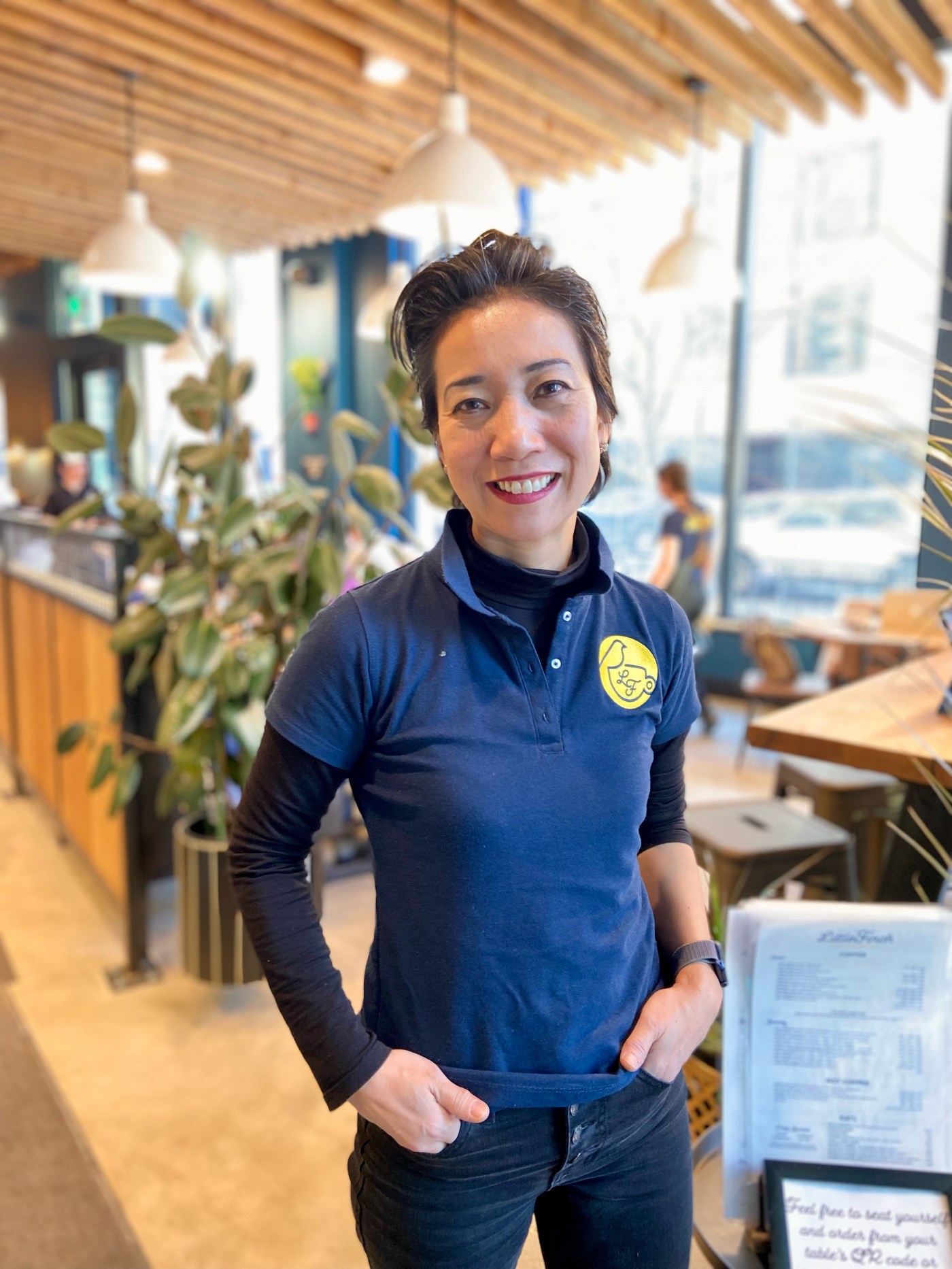
Mary Nguyen just opened her fourth restaurant in the city.

“There’s a narrative that downtown is dead, that it’s not safe. But I’m here all the time. I see something totally different. There are new restaurants opening, the streets are active, there are interesting people looking for things to do,” Nguyen told The Denver Post. “I’m a Denver native. If I want to see a vibrant, activated downtown, then I’m going to help make that happen. I’m not waiting for someone else to do it."

If you haven't tried Olive and Finch, now is the time to support the budget-friendly downtown staple.

“If you look at the investment the city is making … no other city in America is spending $600 million to revitalize their downtown. Honestly, I think I’ve done a great job coming in at the beginning, because in 10 years – actually, probably just two years, or even one – Denver’s going to come back,” Nguyen said.

Smart entrepreneurs like Nguyen and Ibotta CEO Bryan Leach are betting big on downtown, for both civic and business reasons.

“We’re proud to have signed a 10-year lease in a moment where the city really needs us, where only a third of the occupancy is there,” Ibotta’s founder and CEO, Bryan Leach, told The Denver Post. “I never considered leaving downtown. It is important to have the downtown area of your community be a thriving place where people live and work.”

If you love (or have loved) Denver, now is the time to come back.

Because here's the third and final secret about the city -- the city will come back better than ever. As The Denver Post found, what is hurting the upper-central business district the most are vacant office spaces, cleverly explaining that the city has been "all work and no play" for far too long. But a rebalancing is happening, and the parts of the city where people live and play are vibrant and booming. It will only be a matter of time before that spills from Union Station and the River North neighborhood into the central business district.

The 16th Street Mall construction project is almost complete, bringing to an end a boondoggle of a project that could not have been more poorly timed.

And with any luck, the new owners of the Denver Broncos will be called by the civic duty Nguyen and Leach expressed to stay and invest in our city during its moment of need.

Denver may need a little help, but the city is certainly not dead.

Sign up for Sound Off to get a weekly roundup of our columns, editorials and more.

To send a letter to the editor about this article, submit online or check out our guidelines for how to submit by email or mail.

Denver Public Schools Superintendent Alex Marrero is right: the more accountability, the better for district schools that are struggling. We support his effort to reinstate district-led accountability metrics that bring support to low-performing schools, and as a last resort, include school closures.

Marrero announced last month his plan to end the 7-year hiatus of DPS school accountability by developing a new system to judge school performance.

We know school improvement plans often fail, but ignoring students who are not learning is not the answer either. This city has an abundance of schools where students are thriving academically, including some of the best schools in the state. We cannot allow zip codes to determine who has access to the best education and who is stuck in some of the worst schools.

Take, for example, Denver’s Abraham Lincoln High School, a place that is on Year 7 of accountability watch from Colorado’s Department of Education.

In 2024, despite having a “Directed Pathway” performance plan in place, only 12.8% of juniors met or exceeded expectations on the reading and writing portion of the SAT, and only 5.1% met or exceeded expectations on the math portion. In March of that year, the school’s former principal wrote that “overall academic achievement in math and English is low and decreasing from past years and this needs to be addressed comprehensively for all students.”

This year, Marrero and a new principal, Néstor Bravo, are optimistic that gains in test scores will show improvement.

“We’ve seen incredible evidence of our approach,” Marrero said, pointing out that Manuel High School has improved test scores, attendance and graduation rates enough to come off the state’s watch list. “We’re also seeing it with Lake Middle School.”

Continuous improvement is necessary at these schools to provide even a semblance of equity with the experience students have at other high schools and middle schools in the district. It’s what Marrero calls having a “minimum equivalency” for all schools in the district, and” having a Blue Ribbon school in every neighborhood.”

Bravo told us that he does think closure should be on the table for low-performing schools, but he added that Lincoln is an “iconic community hub” with a “multi-generational sense of belonging.”

“Closing a place like this has consequences that go way beyond academic performance,” Bravo said.

Which is why it makes sense for the district and the state to pull out all the stops to give students at Lincoln an equitable education.

Bravo said he took over the school and faced a $1.2 million budget deficit. Since then, he said, he has created a clean and efficient system that puts employees where they need to be based on their strengths, provides training and support, and then focuses resources on intervention and foundational skills for students.

The school still has a tough road ahead. Many students stopped attending school when federal immigration raids started in Denver, and Marrero said the school’s metrics on attendance took a hit. We don’t see any sense in the state holding Lincoln High School accountable for students who are afraid of deportation.

But we have also seen time and time again that accountability works to improve school conditions.

After years of pushback and reluctance from the Adams 14 School District, officials finally turned over Adams City High School to outside control. Almost immediately, test scores and performance began to improve. It took the threat of closure for the district to finally concede that it needed help running the school.

We know that every student in this district can succeed. Marrero said he knows that the state’s tests — the PSAT, SAT, and the CMAS — are imperfect measures of students’ abilities. The tests have an obvious bias toward good test takers and students who have been trained to test well; also, the tests have a bias against English language learners and students with IEPs or other learning needs.

But Marrero said he is eager to “prove that we can and our kids can in spite of the missing equity components.”

Marrero is asking charter schools in the district to agree to being held accountable by the district and not just the state. He pointed to the school board’s failure to close Academy 360 despite poor performance. There has got to be high accountability that comes with the autonomy of a charter school, he said.

We are concerned that, given the current anti-charter school ethos among district leaders and school board members, the policy could be abused to shutter good charter schools that perhaps just need a little help.

But we also resolutely believe that charter schools should be held to the exact same standard as district schools, and that closure should be on the table when charter schools fail students.

Sign up for Sound Off to get a weekly roundup of our columns, editorials and more.

To send a letter to the editor about this article, submit online or check out our guidelines for how to submit by email or mail.
The community of Boulder has once again suffered a horrific attack. On Sunday, a terrorist fueled by antisemitism attempted to burn people alive who had gathered on the Pearl Street Mall to walk in solidarity with Israeli hostages still held captive by Hamas.

We pray fervently for the eight victims to survive this horror and fully recover from their injuries, and for their families’ strength and resilience during this difficult time. In the aftermath of the King Soopers shooting in 2021, Boulder rallied around victims, their families, and law enforcement, and the community will rise again to support those injured Sunday.

The opportunity to support Colorado’s Jewish community will come quickly; Sunday, June 8, is the 30th Boulder Jewish Festival. The annual celebration of Jewish culture is held on the Pearl Street Mall, the site of the attack. Coloradans should come out in mass to support our Jewish community and send a message that terrorism will not succeed.

We are relieved that a suspect has been detained. But until the scourge of antisemitism is wiped from America, we fear the Jewish community will never attain peace in this country. Two Israeli Embassy staffers were assassinated in Washington, D.C., last month as they left an event at the Capital Jewish Museum. Yaron Lischinsky had purchased an engagement ring for Sarah Milgrim, but never got the chance to propose before they were shot and killed.

The FBI’s regional spokesperson reported that the suspect in the Boulder attack yelled “Free Palestine” as he threw gas and flames on the crowd. The suspect’s social media posts indicate he wanted to “end Zionists.” The Denver Post reported that he is an Egyptian citizen who came to America on a tourist visa but that it had expired. We cannot prevent every terrorist attack, but local, state and federal law enforcement should review this case to make certain signs weren’t missed along the way. Perhaps the next attack could be thwarted if lessons are learned.

This terror has existed long before Hamas’ terrorist attack on Oct. 7, 2023, sparked a protracted war with Israel. Hamas still holds 58 hostages somewhere in Gaza who were captured during the attack that left 1,500 civilians dead. During a recent ceasefire, several hostages were released who recounted torture and rape, and the bodies of some who Hamas killed during captivity were also released.

The war has raged for almost two years, and Israel’s bombing campaign, combined with its control of food, water and electricity to the occupied territory, are creating a humanitarian crisis that has killed tens of thousands of innocent civilians (a number that will never be known precisely as independent journalists have been kept out of Gaza). As the war drags on in the Middle East, we call for peace, understanding, and love to reign here.

America should be a safe haven from antisemitism and terrorism, a place where our communities can come together, if not in agreement, then at least in a shared coexistence that celebrates our freedom in this country.

The assault on Sunday not only shattered lives and terrified a community, but this senseless violence tears at the foundation of America, and makes us all less safe. Whether compelled to exercise your free speech in a Boulder march calling for the release of Israeli hostages, or to join a protest on the University of Boulder’s campus calling for an end to Israel’s campaign in Gaza, or the many who would march in both, Americans should feel safe that their words, beliefs, and advocacy won’t get them killed.

We have a long way to go before we find such peace, but in the wake of a tragedy is the time to remind everyone of our idealistic hopes for America, something we can all unite behind as international conflicts divide us.

Sign up for Sound Off to get a weekly roundup of our columns, editorials and more.

To send a letter to the editor about this article, submit online or check out our guidelines for how to submit by email or mail.