Author: .

The apprehension and two-week detention of Caroline Dias Goncalves was a waste of federal resources and a violation of human decency.

Goncalves, a nursing student from the University of Utah, has not been charged with any crime, and because the activities of Trump’s immigration force are shrouded in secrecy, it is unclear whether she has any sort of immigration action pending either.

We do, however, have video of her initial contact with law enforcement because police officers in Colorado are required to wear and use body cameras.

The teen was pulled over on Interstate 70 as she drove through Grand Junction on her way to Denver. The Mesa County Sheriff’s deputy asked her to come sit in his car with him while he looked up her registration and insurance information, both of which were outdated. But before he let her go back to her car, he asked about her accent and where she was from. We hear absolutely zero accent on the video. “Born and raised or no?” he asked after she replied Utah. She explains she was born in Brazil.

The deputy let her off with a warning but then texted all of her information to federal agents on an encrypted Signal chat. Officials picked her up a short time later and brought her to Aurora, where she was held without due process for two weeks until a judge let her out on bail.

“And the moment they realized I spoke English, I saw a change,” Goncalves said in a statement issued. “Suddenly, I was treated better than others who didn’t speak English. That broke my heart. Because no one deserves to be treated like that. Not in a country that I’ve called home since I was 7 years old and is all I’ve ever known.”

In President Donald Trump’s America an undetectable accent and brown skin is enough to get an out-of-state teenager detained in one city, extradited across state without any hearing or due process, held for two weeks in a detention center full of criminals awaiting deportation, fed mushy food, and then let go without any public explanation or transparency.

We don’t know Gonclaves’ exact immigration status. According to The Denver Post and the Salt Lake City Tribune, she came as a child with her family on a tourist visa. That would mean she entered the United States sometime around 2013. Given that approximate date, she would not qualify for Deferred Action for Childhood Arrivals, but her parents had filed for asylum, which almost always carries dependent children, too.

One thing is clear: Trump has ordered Immigration and Customs Enforcement officials to focus their time and efforts not on criminals who should be deported, but on people like Gonclaves, who are contributing members of our society that make America stronger. He’s come up with arbitrary quotas that we are certain drive this overly aggressive targeting of good people.

The Washington Post reported concerning data this week – since Trump’s inauguration, the percentage of detained individuals who are convicted or accused criminals has dropped. That means the Trump administration is amping up its efforts to deport people like Gonclaves, who are going to school or working hard.

Since Trump took the White House, an incredible 23% of those detained are noncriminals. In comparison between 2019 and January 2025, the average was 7%. That is made more concerning because the percentage increase occurred even as the total number of detainments increased. More good people than ever are getting snatched by ICE, often with no due process for several weeks – long enough for someone to lose a job, fail a class or miss an important life event like a family member’s wedding or the birth of a child.

The Washington Post’s columnist Philip Bump extrapolated that the detention of noncriminals had jumped 900% under Trump. These detentions and pending deportations are not making anyone safer. Indeed, we are less safe when Americans of color or who have accents are afraid of everyday interactions with police.

The deputy in Mesa County had no business asking Gonclaves about her nationality and likely violated a state law by forwarding the information to federal officials.

Colorado law enforcement should stay the course and not assist this administration’s cruel and ineffective pursuit of noncriminals for deportation.

Sign up for Sound Off to get a weekly roundup of our columns, editorials and more.

To send a letter to the editor about this article, submit online or check out our guidelines for how to submit by email or mail.

We are thrilled by rumors that the Broncos’ new owners are acquiring land to keep the football team in the heart of Denver, right where it belongs.

A brand new, privately financed stadium on currently contaminated and abandoned land, Burnham Yard, is a vision we can get behind. The 58-acre rail yard is now owned by the Colorado Department of Transportation.

The Denver Post reported last week – following some brilliant reporting from BusinessDen – that part of the deal the Walton-Penner group is looking to make in addition to acquiring the state’s land would include buying a portion of Denver Water’s 36-acre campus where the headquarters and operations center are located.

We’re not opposed to the Walton-Penner Family Ownership Group buying some land from Denver Water to help the group spend billions building a stadium and a privately owned entertainment district. But it only seems logical that Denver Water would need to be compensated for the trouble of moving from this historic 150-year-old campus that recently underwent an entire rebuild to become a world-class facility.

“We recognize the impact this development could have to the largest community we serve,” Denver Water CEO and manager Alan Salazar said in an interview requested following The Post’s report. “Creative minds can think about ways that this could work. We’re trying to get there.”

Salazar said some things are not negotiable: The deal cannot devalue Denver Water and must protect the financial security of the enterprise. The deal can’t cause any upward pressure on water rates, and Salazar simply pointed out that the charter of the voter-created utility prevents money from being spent on anything that isn’t a waterworks project.

We say that Denver Water can in no way be asked to help subsidize this private development. Any private company would hold out for a substantial payout before ripping up its roots to relocate, and a good CEO would always be ready to walk away from negotiations if it wasn’t in their best interests.

That doesn’t mean the deal is dead, but it certainly complicates negotiations.

It’s unclear whether the Broncos need the land or whether they could build the stadium on the old rail yard and make a smaller entertainment district and still make the kind of return on investment they are aiming for.

Today, the Denver Water campus includes a brand-new headquarters on the far north side of the campus where white-collar employees, including engineers, human resources, and communications employees, work. We can’t imagine the Broncos would want that building.

But most of the land — and likely the land we imagine could be sold — is occupied by a number of high-tech service buildings, warehouses, and parking lots designed with efficiency and productivity in mind. Those buildings are only a few years old, and touring the campus makes it clear that Denver Water spared no expense to make this property its home forever. A brick pathway through the campus is marked with the names of every retiree from the company, with their dates of service.

This is the campus where hundreds of Denver Water employees start their day before dispersing out to a service area that stretches from Denver International Airport to Ken Caryl. Workers help supply clean drinking water from mountain reservoirs to some of the state’s largest municipalities, and the machine shop services everything from snowmobiles to dump trucks.

Moving those operations is not something that should be taken lightly.

As we’ve said before, we are not opposed to the Walton-Penner group getting some level of subsidy from the state of Colorado and the city of Denver, but that deal must be entirely transparent and account for every dollar given to these heirs of the Walmart fortune, Rob Walton and his son-in-law Greg Penner.

Before any deal is inked behind closed doors, the public needs to be told the modern-day market value of Burnham Yard and the value of Denver Water’s property with a true appraisal conducted by an independent firm.

And while it makes sense for the city of Denver and the state to incentivize the business prospects of the football stadium, we cannot see any possible justification for Denver Water to share in that burden.

Denver Water, much like the Broncos, is a storied institution.

We now know, thanks to Penner’s decision not to renew the lease at the existing Mile High Stadium (Empower Field), that the half-life of a new stadium is only about 4.5 years. In sharp contrast, Denver Water will be providing life-sustaining water to much of metro Denver for almost a million people into the foreseeable future, perhaps for as long as there are people on the Front Range.

Sign up for Sound Off to get a weekly roundup of our columns, editorials and more.

To send a letter to the editor about this article, submit online or check out our guidelines for how to submit by email or mail.

Hating on downtown Denver has become a sport for some, including recent college grads finding Denver’s cost of living to be unsustainable, anyone who has recently navigated Colfax’s construction cones, and yes, our Republican members of Congress who use the city as a political pawn in the debate over Venezuelan refugees.

But Denver is a big, beautiful city with blemishes and flaws just like any other major metropolitan area — and any small town, for that matter.

The Denver Post’s three-month-long downtown Denver project made it clear that the city has an uphill battle as it tries to recover from the COVID shock waves. The city is struggling with vacant buildings, a reduction in tourism, cratering tax revenues and other problems.

But if you haven’t visited the city recently, you may have missed some major developments.

First, the homeless encampments have been completely cleaned up. Certainly, there are still people sleeping on the streets during the day and night between Park Avenue and Speer Boulevard. But that has been an issue for every medium-sized city in this state for more than 50 years.

Gone, however, are the temporary structures with tarps and tents and grocery carts marking the territory of someone who had made a shanty structure on public rights-of-way. Mayor Mike Johnston spent millions of dollars getting people in those encampments into temporary housing, and while it wasn’t cheap, the result has been worth it. The encampments were unsightly, unhealthy, and had drawn criminal elements to the city.

A recent survey of Denver’s homeless population confirmed that while the number of unhoused people has increased, the number of unsheltered people — those sleeping on the street — dropped a dramatic 35% over the last survey in 2024.

Johnston deserves credit for this notable transformation, and he wasn’t shy about taking it.

Downtown Denver at a crossroads as offices sit empty, buildings go into default and safety concerns persist

“We set this crazy, ambitious goal to end street homelessness in (my) first term,” Johnston told The Denver Post. “And to be almost halfway there, almost halfway through term 1, I think reaffirms that’s not an impossible dream.”

Second, while a number of restaurants have closed downtown, the city's old favorites are still thriving, and new gems are opening daily.

The owner of Olive & Finch is giving all Denverites something to believe in.

Mary Nguyen just opened her fourth restaurant in the city.

“There’s a narrative that downtown is dead, that it’s not safe. But I’m here all the time. I see something totally different. There are new restaurants opening, the streets are active, there are interesting people looking for things to do,” Nguyen told The Denver Post. “I’m a Denver native. If I want to see a vibrant, activated downtown, then I’m going to help make that happen. I’m not waiting for someone else to do it."

If you haven't tried Olive and Finch, now is the time to support the budget-friendly downtown staple.

“If you look at the investment the city is making … no other city in America is spending $600 million to revitalize their downtown. Honestly, I think I’ve done a great job coming in at the beginning, because in 10 years – actually, probably just two years, or even one – Denver’s going to come back,” Nguyen said.

Smart entrepreneurs like Nguyen and Ibotta CEO Bryan Leach are betting big on downtown, for both civic and business reasons.

“We’re proud to have signed a 10-year lease in a moment where the city really needs us, where only a third of the occupancy is there,” Ibotta’s founder and CEO, Bryan Leach, told The Denver Post. “I never considered leaving downtown. It is important to have the downtown area of your community be a thriving place where people live and work.”

If you love (or have loved) Denver, now is the time to come back.

Because here's the third and final secret about the city -- the city will come back better than ever. As The Denver Post found, what is hurting the upper-central business district the most are vacant office spaces, cleverly explaining that the city has been "all work and no play" for far too long. But a rebalancing is happening, and the parts of the city where people live and play are vibrant and booming. It will only be a matter of time before that spills from Union Station and the River North neighborhood into the central business district.

The 16th Street Mall construction project is almost complete, bringing to an end a boondoggle of a project that could not have been more poorly timed.

And with any luck, the new owners of the Denver Broncos will be called by the civic duty Nguyen and Leach expressed to stay and invest in our city during its moment of need.

Denver may need a little help, but the city is certainly not dead.

Sign up for Sound Off to get a weekly roundup of our columns, editorials and more.

To send a letter to the editor about this article, submit online or check out our guidelines for how to submit by email or mail.

Denver Public Schools Superintendent Alex Marrero is right: the more accountability, the better for district schools that are struggling. We support his effort to reinstate district-led accountability metrics that bring support to low-performing schools, and as a last resort, include school closures.

Marrero announced last month his plan to end the 7-year hiatus of DPS school accountability by developing a new system to judge school performance.

We know school improvement plans often fail, but ignoring students who are not learning is not the answer either. This city has an abundance of schools where students are thriving academically, including some of the best schools in the state. We cannot allow zip codes to determine who has access to the best education and who is stuck in some of the worst schools.

Take, for example, Denver’s Abraham Lincoln High School, a place that is on Year 7 of accountability watch from Colorado’s Department of Education.

In 2024, despite having a “Directed Pathway” performance plan in place, only 12.8% of juniors met or exceeded expectations on the reading and writing portion of the SAT, and only 5.1% met or exceeded expectations on the math portion. In March of that year, the school’s former principal wrote that “overall academic achievement in math and English is low and decreasing from past years and this needs to be addressed comprehensively for all students.”

This year, Marrero and a new principal, Néstor Bravo, are optimistic that gains in test scores will show improvement.

“We’ve seen incredible evidence of our approach,” Marrero said, pointing out that Manuel High School has improved test scores, attendance and graduation rates enough to come off the state’s watch list. “We’re also seeing it with Lake Middle School.”

Continuous improvement is necessary at these schools to provide even a semblance of equity with the experience students have at other high schools and middle schools in the district. It’s what Marrero calls having a “minimum equivalency” for all schools in the district, and” having a Blue Ribbon school in every neighborhood.”

Bravo told us that he does think closure should be on the table for low-performing schools, but he added that Lincoln is an “iconic community hub” with a “multi-generational sense of belonging.”

“Closing a place like this has consequences that go way beyond academic performance,” Bravo said.

Which is why it makes sense for the district and the state to pull out all the stops to give students at Lincoln an equitable education.

Bravo said he took over the school and faced a $1.2 million budget deficit. Since then, he said, he has created a clean and efficient system that puts employees where they need to be based on their strengths, provides training and support, and then focuses resources on intervention and foundational skills for students.

The school still has a tough road ahead. Many students stopped attending school when federal immigration raids started in Denver, and Marrero said the school’s metrics on attendance took a hit. We don’t see any sense in the state holding Lincoln High School accountable for students who are afraid of deportation.

But we have also seen time and time again that accountability works to improve school conditions.

After years of pushback and reluctance from the Adams 14 School District, officials finally turned over Adams City High School to outside control. Almost immediately, test scores and performance began to improve. It took the threat of closure for the district to finally concede that it needed help running the school.

We know that every student in this district can succeed. Marrero said he knows that the state’s tests — the PSAT, SAT, and the CMAS — are imperfect measures of students’ abilities. The tests have an obvious bias toward good test takers and students who have been trained to test well; also, the tests have a bias against English language learners and students with IEPs or other learning needs.

But Marrero said he is eager to “prove that we can and our kids can in spite of the missing equity components.”

Marrero is asking charter schools in the district to agree to being held accountable by the district and not just the state. He pointed to the school board’s failure to close Academy 360 despite poor performance. There has got to be high accountability that comes with the autonomy of a charter school, he said.

We are concerned that, given the current anti-charter school ethos among district leaders and school board members, the policy could be abused to shutter good charter schools that perhaps just need a little help.

But we also resolutely believe that charter schools should be held to the exact same standard as district schools, and that closure should be on the table when charter schools fail students.

Sign up for Sound Off to get a weekly roundup of our columns, editorials and more.

To send a letter to the editor about this article, submit online or check out our guidelines for how to submit by email or mail.
The community of Boulder has once again suffered a horrific attack. On Sunday, a terrorist fueled by antisemitism attempted to burn people alive who had gathered on the Pearl Street Mall to walk in solidarity with Israeli hostages still held captive by Hamas.

We pray fervently for the eight victims to survive this horror and fully recover from their injuries, and for their families’ strength and resilience during this difficult time. In the aftermath of the King Soopers shooting in 2021, Boulder rallied around victims, their families, and law enforcement, and the community will rise again to support those injured Sunday.

The opportunity to support Colorado’s Jewish community will come quickly; Sunday, June 8, is the 30th Boulder Jewish Festival. The annual celebration of Jewish culture is held on the Pearl Street Mall, the site of the attack. Coloradans should come out in mass to support our Jewish community and send a message that terrorism will not succeed.

We are relieved that a suspect has been detained. But until the scourge of antisemitism is wiped from America, we fear the Jewish community will never attain peace in this country. Two Israeli Embassy staffers were assassinated in Washington, D.C., last month as they left an event at the Capital Jewish Museum. Yaron Lischinsky had purchased an engagement ring for Sarah Milgrim, but never got the chance to propose before they were shot and killed.

The FBI’s regional spokesperson reported that the suspect in the Boulder attack yelled “Free Palestine” as he threw gas and flames on the crowd. The suspect’s social media posts indicate he wanted to “end Zionists.” The Denver Post reported that he is an Egyptian citizen who came to America on a tourist visa but that it had expired. We cannot prevent every terrorist attack, but local, state and federal law enforcement should review this case to make certain signs weren’t missed along the way. Perhaps the next attack could be thwarted if lessons are learned.

This terror has existed long before Hamas’ terrorist attack on Oct. 7, 2023, sparked a protracted war with Israel. Hamas still holds 58 hostages somewhere in Gaza who were captured during the attack that left 1,500 civilians dead. During a recent ceasefire, several hostages were released who recounted torture and rape, and the bodies of some who Hamas killed during captivity were also released.

The war has raged for almost two years, and Israel’s bombing campaign, combined with its control of food, water and electricity to the occupied territory, are creating a humanitarian crisis that has killed tens of thousands of innocent civilians (a number that will never be known precisely as independent journalists have been kept out of Gaza). As the war drags on in the Middle East, we call for peace, understanding, and love to reign here.

America should be a safe haven from antisemitism and terrorism, a place where our communities can come together, if not in agreement, then at least in a shared coexistence that celebrates our freedom in this country.

The assault on Sunday not only shattered lives and terrified a community, but this senseless violence tears at the foundation of America, and makes us all less safe. Whether compelled to exercise your free speech in a Boulder march calling for the release of Israeli hostages, or to join a protest on the University of Boulder’s campus calling for an end to Israel’s campaign in Gaza, or the many who would march in both, Americans should feel safe that their words, beliefs, and advocacy won’t get them killed.

We have a long way to go before we find such peace, but in the wake of a tragedy is the time to remind everyone of our idealistic hopes for America, something we can all unite behind as international conflicts divide us.

Sign up for Sound Off to get a weekly roundup of our columns, editorials and more.

To send a letter to the editor about this article, submit online or check out our guidelines for how to submit by email or mail.

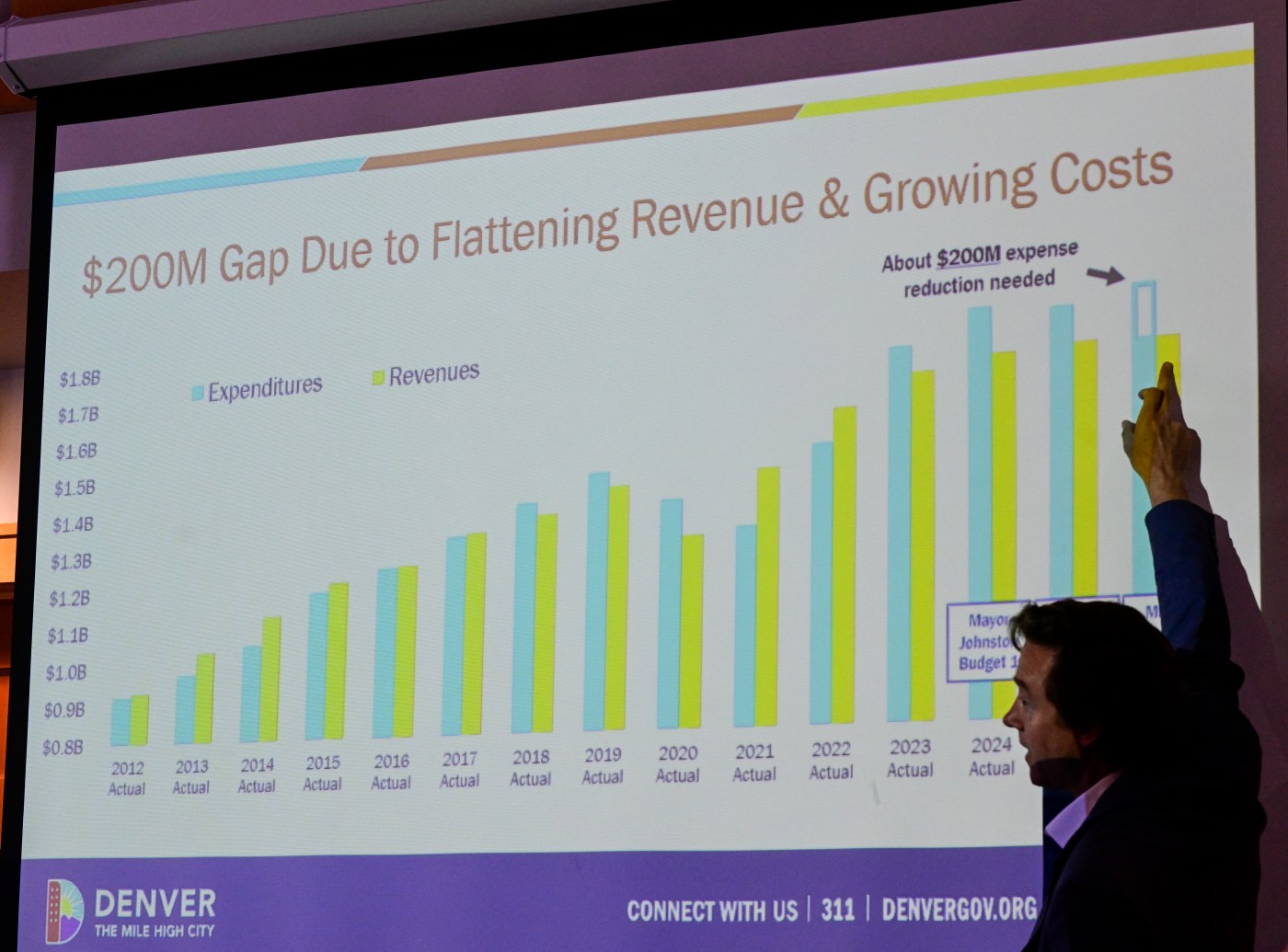
No one should be surprised that Denver is scaling back hiring and spending for 2025 and 2026.

The city has been living high on the hog for more than a decade, growing city government services and hiring hundreds, if not thousands, of new employees. Like a majority of Denver taxpayers, The Denver Post editorial board has supported much of the spending (as both investment in our city and as a way to recover from the dark days of COVID).

We’ve also opposed some of the more outlandish pet projects that we feared frittered away the city’s sales tax revenue. It’s too late now to rededicate those millions of dollars in sales tax increases to the city’s general fund operations.

Almost two years after taking office, Mayor Mike Johnston will oversee a reduction in staff and services for the first time since the aftermath of the 2008 housing crisis and Great Recession. Sales tax revenues will be down $50 million this year from projections and down $100 million in 2026 from 2025 levels. That represents about a 7.5% reduction in revenue, not accounting for anticipated increases in costs for inflation and city growth.

Layoffs, furloughs coming for Denver employees amid budget crisis, mayor says

Given that bleak outlook, we are disturbed that up until last week, the city was considering hefty raises for staffers in upper management positions. City Council smartly sidelined that proposal from the mayor's office, and in sharp contrast, Johnston's furloughs will be graduated, so lower-income employees will take two days unpaid, and higher-income employees will take up to seven days unpaid.

The cuts will come at a terrible time – reductions in staff from President Donald Trump have left thousands of federal employees who live in Colorado out of a job, and the state of Colorado is slowing the pace of growth in accordance with TABOR spending limits. Luckily, private-sector hiring has remained strong across the U.S., according to the most recent jobs report, cutting the risk of a possible recession.

Johnston is correct, however, to make adjustments now in the budget.

Certainly, this could just be a mini-downturn that could be weathered with a combination of discretionary spending reductions, contingency funds and rainy day funds. But federal policy is causing uncertainty, to put it mildly, and that can have disastrous consequences.

Consumer confidence is extremely low, meaning more people are spending less across the country, including downtown Denver, where the majority of the city’s sales tax revenue is generated. Big cities like Dallas, Denver, Chicago, Houston, New York, Miami and San Francisco are also being hit by the effects of vacant office buildings. Cities across the nation are cutting their budget.

In Denver, office buildings are selling for far less than they did even 10 years ago, and vacant office space means fewer commuters spending their dollars in the city. Add on top of that a false perception that Denver is unsafe or that it is filled with homeless encampments, and you’ve got a perfect storm.

Getting Coloradans and tourists back to the city, and spending their money, is a key part of recovery for the city. Recovery is also crucial for our small businesses, especially retail stores, restaurants and bars. No one can patronize businesses that aren’t open.

Johnston has a plan to bring people back downtown. Some of those plans are immediate – finishing the 16th Street project and increasing the presence of police and other security services. Some of those plans are ongoing -- Johnston has already cleaned up the homeless encampments in downtown, leaving not a single tent in the urban core as the city has provided housing options to more than a thousand people. The city will continue to spend millions on the program so the camps don’t just spring right back up.

Most of the city’s capital improvement projects are funded with dedicated bonds paid for by property tax mill levies. That revenue stream is still growing despite the sharp decline in commercial real estate evaluations. The increase is  driven by the continued growth in residential home values.

These are strange economic times, and even top economists are finding it hard to predict what will happen next.

In such days, fiscal conservatism is prudent. Hiring freezes, furloughs and layoffs may seem dramatic for a city that only a few short years ago had 16% fiscal reserves, but taking action today will forestall more dramatic cuts should the economy take a turn for the worse.

Sign up for Sound Off to get a weekly roundup of our columns, editorials and more.

To send a letter to the editor about this article, submit online or check out our guidelines for how to submit by email or mail.

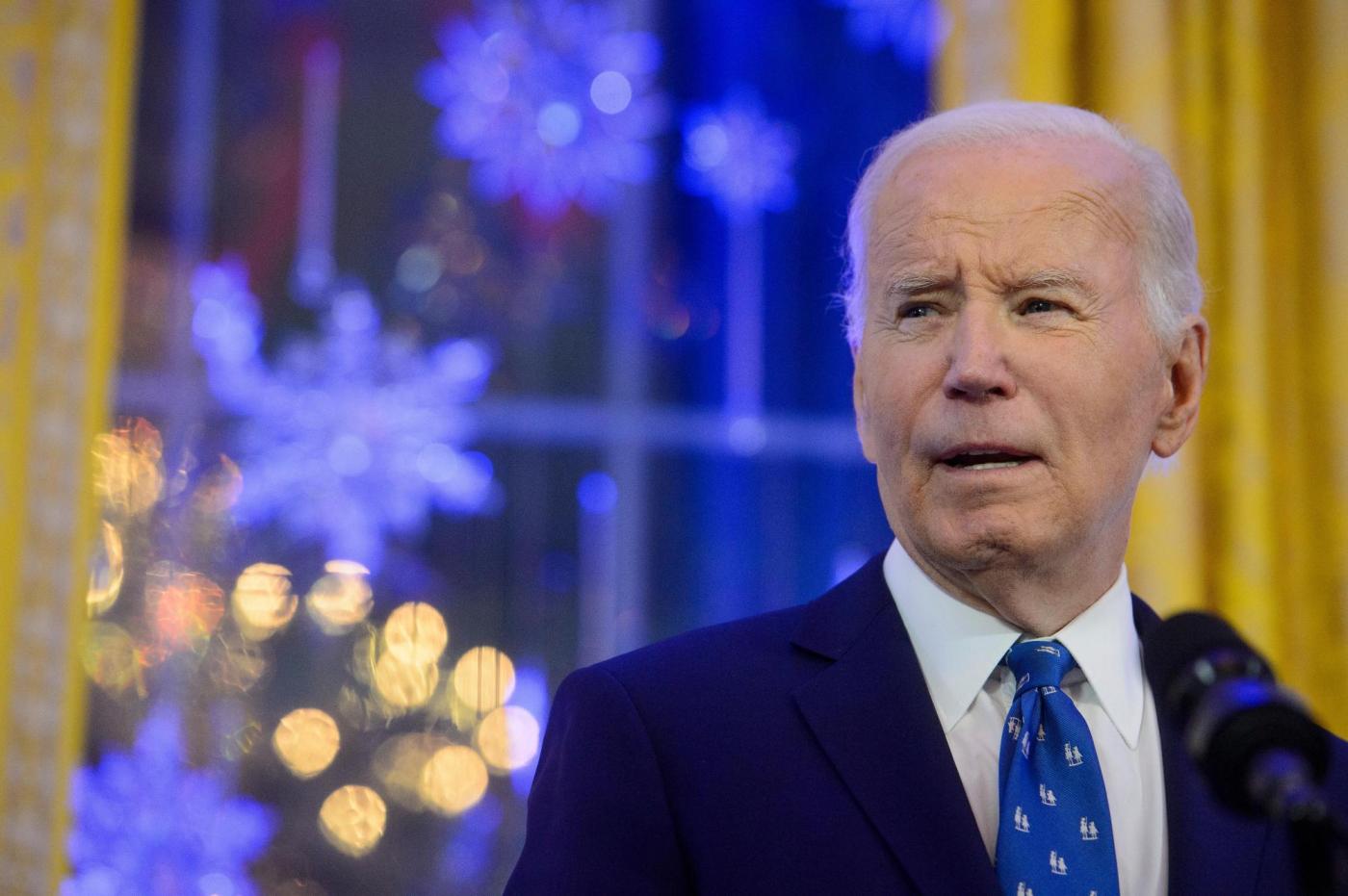
This saddening news of President Joe Biden’s prostate cancer diagnosis has added fuel to questions about his health during his presidency.

No one wants to see the former president and long-time senator facing a serious illness, and I hope that his treatment is effective.

This announcement was made the same week of the release of Jake Tapper and Alex Thompson’s explosive book Original Sin. This deeply reported book is based on interviews with over 200 people — many of them Democratic operatives and insiders — and details the astonishing lengths to which President Biden’s team and the broader Democratic establishment went to conceal the president’s cognitive and physical decline from the public.

Original Sin exposes one of the most cynical political cover-ups in modern American history, and it explains why Democrats have a trust issue with the American public. This well-earned lack of trust has led to questions about whether Biden may have hidden his prostate cancer too, although there is no evidence to support that he did.

Based upon recent revelations, there can be no question that Republicans and many others, including myself, were justified in sounding the alarm about Biden’s fitness to serve during the re-election campaign.

At the time, Biden’s team hit back with performative outrage and engaged in kabuki theatre.

His team dismissed concerns about his age and acuity as dirty politics. But those close to Biden knew they were handling a president who was no longer fit for office. According to accounts of Original Sin, his team choreographed nearly every aspect of Biden’s life — including limiting unscripted interactions, scripting meetings down to the minute, and escorting him to and from Air Force One helicopter to prevent a potential, devastating fall. They even contemplated putting Biden in a wheelchair after the election.

The cover-up extended to his cognitive decline too. Biden reportedly forgot key names, including major celebrities like George Clooney and even senior members of his own team. Cabinet secretaries were sidelined, and staff members devised elaborate strategies to avoid placing him in situations that might expose his decline.

Just this past week, audio from Special Counsel Robert Hur’s October 2023 interview with President Biden was released. Biden’s Attorney General Merrick Garland was held in contempt by the U.S. House of Representatives for refusing to release them. In February 2024, Biden and his covert operations team were apoplectic about Hur’s decision that it would be difficult to prosecute Biden in the classified documents matter because Biden was a “sympathetic, well-meaning, elderly man with a poor memory” and it would be difficult to prove the mental state of willfulness. Biden angrily responded that his memory was fine and his team exalted that this was a “partisan hit job”.

The audio proves otherwise as the recordings show Biden was confused, rambling, and couldn’t even remember when his son Beau died.

Biden’s team continued to trot out his disingenuous talking points, insisting that he was sharp and physically fit.  Deputy Press Secretary Andrew Bates asserted that “not only does the president perform around the clock, but he maintains a schedule that tires younger aides, including foreign trips into active war zones.”  Apparently, however, Biden had difficulty functioning outside of a 6-hour window between 10 a.m. and 4 p.m.

Like the man behind the curtain in Oz, Biden’s team spun a grand illusion, staging a show of leadership while concealing Biden’s fragility, more devoted to self-preservation and power than being honest.

Here’s where the culpability deepens, Democratic leaders knew. They saw the same signs the public saw and in many instances saw it firsthand and acknowledged it privately. Yet instead of standing up, they continued to vouch for Biden’s fitness.

A month before his disastrous debate with Trump, I wrote a column calling President Biden unfit for office.  At that time two-thirds of voters had little or no confidence that Biden was physically fit to be president.  Anyone who has watched a family member or close friend decline with senility, dementia or physical ailments had all of the evidence they needed when they watched even his composed public appearances provide clear and unsettling clues with his often incoherent rhetoric and gaffes, confusion and instability.

And, following his disastrous debate performance, Biden’s team tried to convince us that it was simply a bad night, blaming the debate preparation team for his poor performance. And, in the days following the debate train wreck, Democratic leaders were conspicuously silent, failing to speak out publicly. My column calling for him to withdraw just a few days after the debate, was one of the very first of its kind in the country and published well before any major Democratic leader called on him to publicly step aside.

And, the longer they failed to speak truth to power made it more unlikely the Democrats would win in November.  When they finally did, Biden had no choice but to step aside, but behind closed doors, in classic backroom style, Democrats had already crowned his successor, Vice President Kamala Harris.

This isn’t just a Biden problem that can be conveniently swept under the rug. It’s a Democratic Party problem — a failure of leadership, transparency, ethics and accountability.

The result? Democrats lost national trust and the party’s favorability rating stands at 29%, a record low. To be fair, that isn’t simply about the cover-up and lack of leadership. It also reflects a party in the wilderness, confused about their values, and unable to muster the leadership to meet Americans where they are on key issues. It is no wonder that only 35% of surveyed Democrats are very or somewhat optimistic about the future of the Democratic Party.

Democrats would love nothing more than to move on — to refocus on President Donald Trump and reframe the midterm elections as a battle for democracy. But its not that simple. They can’t claim hindsight when they bear collective responsibility for the outcome of the 2024 election.

Until Democrats acknowledge the cover-up, they undermine their own credibility and won’t be able to regain public trust.

It will surely be impossible for them to authentically critique Trump’s mental acuity and fitness.

Doug Friednash grew up in Denver and is a partner with the law firm Brownstein Hyatt Farber and Schreck. He is the former chief of staff for Gov. John Hickenlooper.

Sign up for Sound Off to get a weekly roundup of our columns, editorials and more.

To send a letter to the editor about this article, submit online or check out our guidelines for how to submit by email or mail.

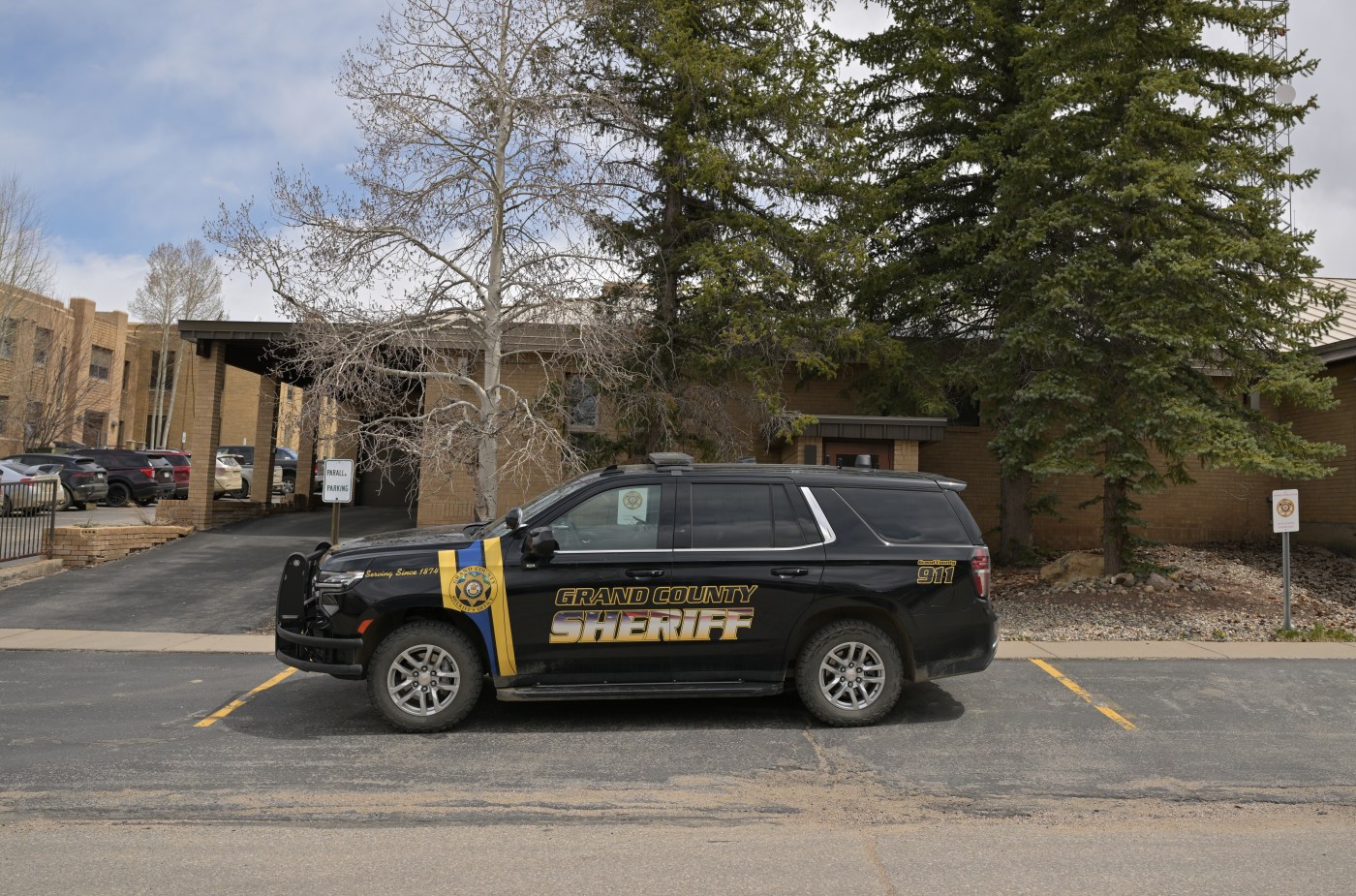
When a malnourished and dehydrated 7-year-old died in Grand County with deadly levels of sodium in his blood, the response from the Grand County Sheriff’s Office was to send an investigator and an assistant county coroner to assure the child’s parents that the investigation would go no further and that documents surrounding the death would never be made public.

A Colorado boy likely died from drinking too much olive brine. Grand County tried to make the suspicious case disappear.

Grand County Sheriff Brett Schroetlin made good on the 2020 promise to Isaiah Stark’s parents. This year, he refused to release to The Denver Post any documents and videos related to the investigation, saying it would be “contrary to the public’s interest.” Schroetlin is hiding behind bad laws to prevent public scrutiny of how his department, the coroner and the district attorney handled the death investigation.

The public’s interest in this case is more than justified. Anytime a child dies under suspicious or questionable circumstances, there must be an investigation. The records The Post was able to obtain from other, less obstructionist sources cast serious doubt on whether a thorough investigation ever took place, despite the fact that records also show officials received reports that the boy had been forced to drink olive brine, which is high in sodium content, as a punishment.

Fortunately, Colorado’s child protection ombudsman and the state’s Child Fatality Review Team have not allowed Stark’s 2020 death to slip silently into history, unmarked and uninvestigated. The Post's Sam Tabachnik used records obtained from both to produce an in-depth news story that was published last Sunday. Unfortunately, the review team did not release all the documents from its investigation, something they can and should do immediately in the name of transparency.

We need these watchdogs digging for the truth. Isaiah Stark's tragic death was likely preventable, and the adults in this state tasked with protecting children had multiple opportunities to intervene to help Isaiah. Records show his mother repeatedly asked for help, and that there were warning signs missed. It is too late to save Isaiah Stark, but right now, somewhere else in this state, another child is suffering. Public scrutiny of our systems could be what saves that child.

The ombudsman, Stephanie Villafuerte, told Tabachnik, “We have many unanswered questions, and those responsible for giving these answers are unwilling to do so.”

The Child Fatality Review Team praised Grand County and Jefferson County health officials for compiling reports about the familys’ interactions with their human services teams, but concluded in its report: “It was a systemic gap that there was a lack of accountability for the child’s death, which the team believed was needless and could have been prevented, had the child received appropriate monitoring and intervention from the medical and mental health professionals.”

Unacceptable.

We know that the coroner ruled conclusively what had killed Isaiah -- hypernatremia or too much sodium in the blood. We wouldn’t even venture to guess at what undiagnosed medical conditions or maltreatment could result in such an unusual death.

But we are horrified that the public officials in positions of power have failed to do the basic investigative work required to find out what happened in the days and weeks leading up to Isaiah's death.

We call for three basic things to happen in response to what the public now knows about Isaiah's death:

First, Schroetlin can release all records his department holds related to the investigation, including body-worn camera footage of interviews.

Second, lawmakers can undo a horrible mistake they made in 2018 when they shielded children's autopsy reports from the Colorado law requiring records to be open for public scrutiny. As we noted at the time, Senate Bill 223 prevents public scrutiny of questionable child deaths. The Post has used child autopsy reports historically to cover the lapses in our child welfare systems that can result in child deaths.

Third, the findings by the Child Fatality Review Board should be heeded and changes made. According to the report, "The team identified a systemic gap in services when the family decided to cease all services as soon as the child’s adoption was finalized. This created a scenario where there were no longer professionals watching out for the child. Prior to the finalization of the adoption, the family had the option to access family therapy and other family preservation services." The Colorado Department of Human Services and lawmakers can make more resources available to ensure that children are still getting care and review even after their adoption. Known as post-permanency services, adoptive parents and adopted children, even in the most stable home environments, benefit from additional contact with professionals and experts. Especially in rural parts of the state, that contact can be difficult to obtain or cost-prohibitive.

Colorado officials failed Isaiah both before and after his death, but taking these three small steps will help make amends.

Sign up for Sound Off to get a weekly roundup of our columns, editorials and more.

To send a letter to the editor about this article, submit online or check out our guidelines for how to submit by email or mail.

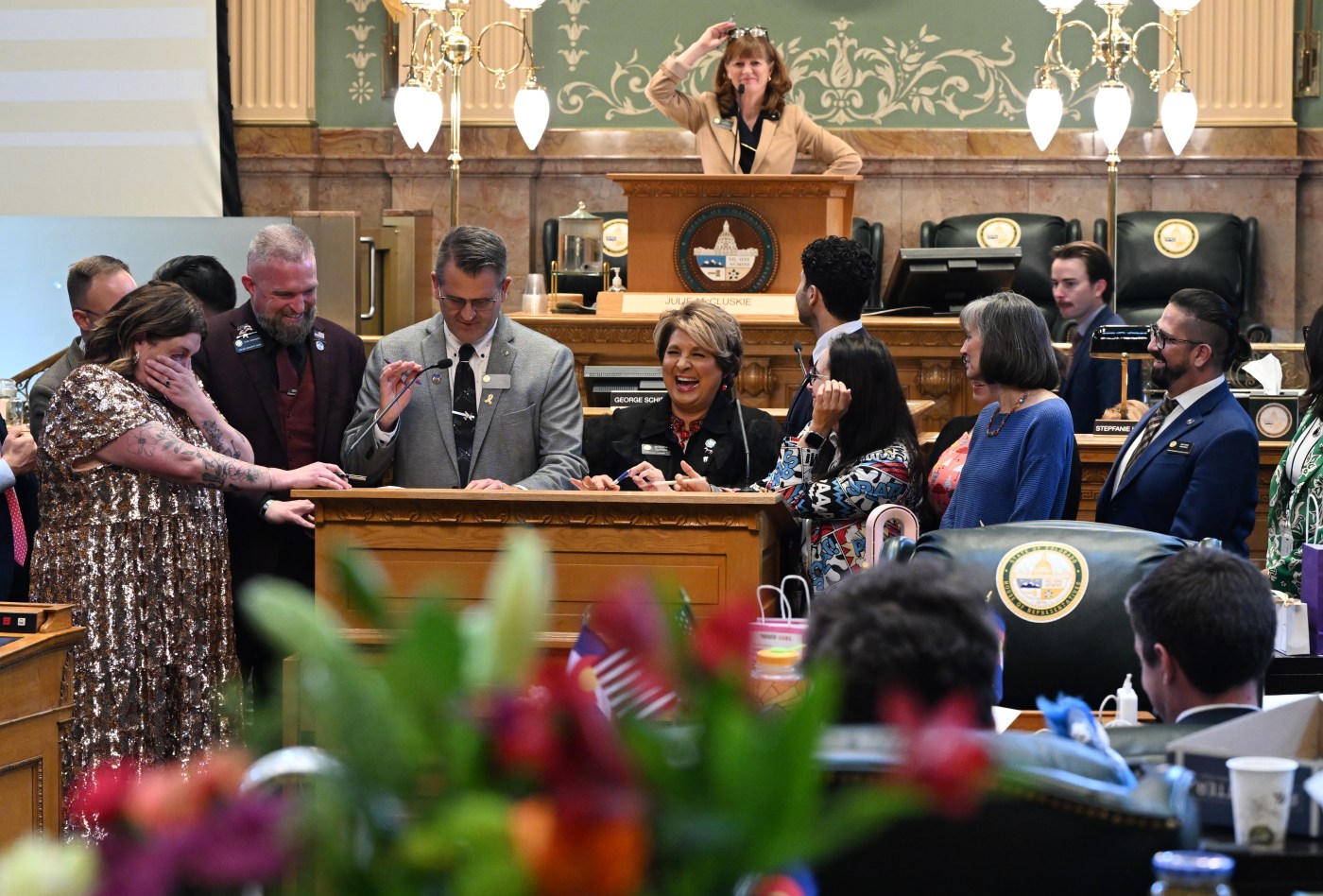
Colorado lawmakers vacated the state Capitol more than a week ago, having done extraordinary bipartisan work with the state’s tightening budget. But Gov. Jared Polis’ vetoes have kept some of the Democrats’ more ambitious goals in check.

On Friday, Polis struck down an attempt to make Colorado more union-friendly, a bill that would have undone decades of compromise between big businesses and big unions in this state. The veto preserved Colorado’s middle-of-the-road Labor Peace Act, but Polis’ decision is one of the most controversial vetoes in recent history. We had joined Polis in calling for a compromise that respected the importance of organized labor and also the importance of keeping union dues and fees in check. Unfortunately, a compromise could not be found, and Polis was right to veto Senate Bill 5.

The entire process of Senate Bill 5 proves that Colorado’s functioning legislative system is good for this state. While Congress refuses to act — on immigration, on the national debt and deficit, on any number of critical measures — Colorado’s General Assembly is having healthy debates and nuanced policy conversations.

The disagreement on Senate Bill 5 came down to a few percentage points, illustrating just how important compromise was. Instead, the issue will head to the ballot box. Colorado voters will likely see competing measures on the ballot this November, asking whether to make the state more pro-business and more pro-union.

Also, in sharp contrast to Congress, Colorado lawmakers were able to balance the budget, despite having to return millions of dollars collected to taxpayers through the Taxpayer’s Bill of Rights refunds. We were disappointed to see that after cutting proposed spending levels, lawmakers dipped into the state’s Unclaimed Property Trust Fund to pay for unfunded projects. While the projects were worthy — funding for safety-net hospitals and fire districts — the move continues a dangerous precedent. Already, the state owes about $700 million to the trust — an unfunded liability.

Polis said he was comfortable signing the two bills because the additional amount — $100 million — is relatively small and the claims on the unclaimed property fund are predictable and steady, meaning it is highly unlikely for the fund to become insolvent in the future. This would be one place we would have liked to see Polis use his veto.

Lawmakers must stop pulling from this fund, unless it is to make loans that are low-risk and present a return on investment to begin paying off the liability. One such proposal was killed this year and would have given homeowners low-interest loans for solar panels.

Aside from our wish for vetoes on those spending bills, we were disappointed in Polis’ veto of Senate Bill 86. The veto rejects reasonable regulation of social media companies, instead allowing Facebook, X, Snapchat, TikTok and others to continue their failure to regulate users who engage in illegal activity like selling drugs or sharing child pornography. The Senate voted to override the veto but the effort to revive Senate Bill 86 died in the House.

The governor was also right to strike down an ill-advised attempt to slow public records access for everyone except “real journalists.”

Colorado lawmakers and Gov. Jared Polis had a good, albeit imperfect, year.

Sign up for Sound Off to get a weekly roundup of our columns, editorials and more.

To send a letter to the editor about this article, submit online or check out our guidelines for how to submit by email or mail.

Valor Christian’s former head football coach is the canary in the coal mine for Colorado high school sports.

Bret McGatlin, pushed out after 32 months with a winning record, issued a strong statement read to concerned parents at a February meeting with school leaders. The statement decries the gladiator culture in high school sports.

“At the heart of the issue is a leadership style characterized by a culture of fear, comparison, and uncertainty. Coaches have felt unsupported and undervalued, leading to an environment where fear and anxiety replace passion and purpose. I can say without hesitation that I would not have resigned if not for this leadership dynamic,” McGatlin wrote, as reported by The Denver Post’s Kyle Newman on Sunday.

Valor Christian athletics faces turmoil, discontent in wake of football coach’s resignation

We want Colorado to have world-class athletics departments for our students. Programs should push youth to excel not only in sport but in life. Programs should help students perform at their highest potential in the classroom and on the field. We say yes to 5 a.m. weight lifting sessions and two-a-day practices. Yes, build programs with rich traditions of team dinners and booster support. Leave behind the screaming and belittling behaviors that breed unsafe environments for students.

Whether it’s elite private schools using tuition waivers to recruit the best players in the state or our outstanding public schools competing head to head on the same field, one thing Coloradans cannot tolerate is toxic environments that do more harm than good to student athletes.

Parents and coaches from Valor, many of whom spoke with Newman only on the condition of anonymity, are right to speak out if they feel something is broken at Valor.

We do not pretend to know how to walk the line between sports excellence and extremism, but we also know that many high school coaches, athletic directors, and school leaders maintain the right balance. And the critical thing to remember is that young teenagers would benefit more from a program that erred on the side of not pushing hard enough than one that pushes too hard.

Statistically, few Coloradans go on to play college sports, about 6% of all high school athletes, and even fewer do so with scholarships. According to statistics from the National Federation of State High School Associations (NFHS), only 2% of high school student-athletes receive college scholarships for their freshman year. Division I and II schools provide about $2.7 billion in athletics scholarships annually to 150,000 students. While another 180,000 students play for Division III schools without scholarships.

Beyond that only a handful of athletes – 2% of college athletes -- go on to play a professional sport.

High school sports exist to serve the remaining 94% of students who will not play in college. Losing sight of that is what leads to toxic programs that are filled with drama and dissatisfaction. While adults quibble and argue over how to improve the program to win a few more games and a few more championships, it is the students who suffer.

Valor’s assistant coach Darren Krein, who also resigned recently, compared his experience as a coach in the National Football League to his time working at Valor.

“In the 20-plus years I’ve been a player and coach in the NFL -- and it’s a rough situation there. … I’ve never been treated as bad in the NFL as I was treated here,” he said. Krein made the statement to parents in the community meeting and did not talk to The Post for the Sunday story.

The benefits of high school sports are immeasurable. Students get many of those benefits whether they are from a tiny school on the eastern plains competing to defeat a local rival in volleyball or vying for the 6A football state title under the bright lights at Canvas Stadium.

No student benefits from parents who blame coaches and staff for hard losses, or worse, who scream and yell at coaches like spoiled children on the sidelines. Unfortunately, we are not shocked by reports of such behavior from Valor parents, and all schools and club sports programs need to look at how to help parents and athletes adopt a healthier relationship with competition.

High school athletic departments do not become poison pits overnight or all on their own. Blame can be spread through school and district culture, and to state leaders. The solution will take years of reform, and we think it must start at the top with the Colorado High School Activities Association doubling down on its mission of creating a "positive and equitable environment" for all students in this state.

Colorado students deserve better than what Valor and other high schools lost to the gladiator ethos are serving up at the moment.

Sign up for Sound Off to get a weekly roundup of our columns, editorials and more.

To send a letter to the editor about this article, submit online or check out our guidelines for how to submit by email or mail.